What does low cortisol aim mean in Valorant and can a calm mindset really improve your aim?
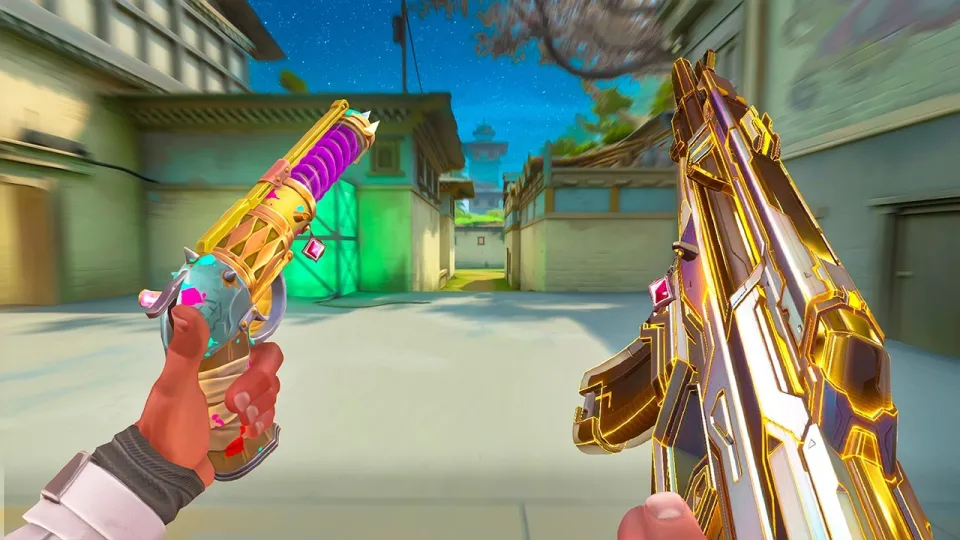
Video: low cortisol aim..
Want articles like this for your own video to promote it on YouTube and Google? Order them through the Telegram bot @sat_sit_bot. It writes articles around your video, embeds the video and publishes them on popular niche websites (no ads). Try it free: 50 articles on us.
· based on the channel Rawzu
"Low cortisol aim" in Valorant is a community label for aim that stays flat and repeatable under pressure instead of spiking with adrenaline. It describes a style where the crosshair moves in short, deliberate steps, the player's body stays relaxed and the shot is taken only when the target is already covered. The phrase fits the clips from Rawzu's channel, where calm Phoenix play, clean movement and quiet audio do more work than flashy flicks, and where the goal is a setup that keeps stress low. If you want the same baseline, start with a stable PC and network setup such as the one offered through Hone's Valorant optimization, then build the habits below on top of it.
What low cortisol aim actually means in Valorant
Low cortisol aim is the opposite of panic aim: it is the practice of keeping your physiology and crosshair placement calm so that every duel starts from the same physical state. In Valorant terms, that means pre-aiming common angles, clearing corners with small strafes and letting the enemy walk into a crosshair that is already at head height. The term borrows from the stress hormone cortisol because ranked queues, clutch rounds and one-on-one retakes push players into fight-or-flight mode, where grip tightens, breathing shortens and the mouse hand starts to overcorrect. A calm aim style treats the duel as a sequence of small, known steps rather than a reflex test, which is why it looks slow on stream but produces consistent headshots.
How Rawzu's Phoenix clips turn calm aim into a playstyle
The Rawzu approach pairs a low-sensitivity setup with an aggressive agent, and Phoenix is the perfect fit because his kit rewards confident, pre-planned entries. Curveball flashes around corners so you can swing with information instead of guessing. Blaze creates a wall that blocks vision and damages anyone who pushes through it, which lets Phoenix cross open ground on a map like Icebox without exposing his body to three angles at once. Hot Hands heals him when he stands in his own fire, and Run It Back gives him a second life to re-take space after a trade. The result is a duelist who can be first into a site while still playing with measured, low-stress mechanics.
The settings behind steady aim
Settings do not create calm aim, but they remove the friction that makes aim feel jittery, and Rawzu's configuration is a useful reference point. His sensitivity is 400 DPI at 0.625, which is a low effective sensitivity that forces arm movement and reduces accidental micro-shakes. His resolution is 1440x1080, a stretched 4:3-style format that widens player models and makes heads easier to read at range. The crosshair is 1-6-2-2, a compact setup that keeps the center of the screen visually quiet. Hardware matters too: a Logitech G Pro X Superlight 2 mouse, an Artisan Zero Soft mousepad for controlled stopping power, and a Zowie XL2566K at 360Hz so motion stays readable during fast peeks. Copy the numbers as a starting point, then adjust one variable at a time instead of rewriting everything after a bad session.
A practical routine for lowering stress in ranked
A calm aim routine is built from repeatable steps you can run before and during matches. Try this sequence:
- Warm up for 10–15 minutes in Deathmatch or the Range with slow, deliberate taps rather than spray transfers.
- Set one intention per match, such as holding head height on every angle, and ignore the scoreboard.
- Breathe out before you swing a corner so your grip is loose when the duel starts.
- Use small counter-strafes to stop before shooting; moving accuracy is the biggest source of panic misses.
- After a lost round, reset with a short physical break rather than queueing on tilt.
- Keep your crosshair placement honest in every round, including eco rounds, because habits carry into clutch situations.
Why viewers keep asking about movement and audio
The comment section under the clip shows what actually stands out to players: movement quality, unexpected off-angle kills and the quiet, ASMR-style sound design. Several viewers praise the movement more than the aim, which is consistent with how calm aim works, since smooth strafing and clean stops are what make a crosshair look glued to heads. Others react to surprising moments where an enemy appears from an angle they did not expect, a reminder that crosshair placement only pays off when your pathing and map knowledge put you in the right spots. The low-key audio is part of the appeal too: fewer loud effects and a steady rhythm make the gameplay easier to study frame by frame.
Common questions about calm aim and Phoenix
The most frequent doubts fall into a few buckets. Players want to know whether a low sensitivity is required, whether Phoenix is viable for someone who plays slowly, and whether a high refresh monitor genuinely changes results. The short answers: sensitivity is personal but lower values reduce shake for most players; Phoenix rewards patient entries with Curveball and Blaze rather than raw speed; and a 360Hz panel helps readability but will not fix crosshair placement. The other recurring theme is movement, because viewers notice that clean strafing and stopping before the shot matter more than flick speed in most duels.
Useful links
- Hone Valorant optimization for the PC tuning referenced in the clip
- Rawzu's original music on Spotify
- Rawzu's Discord community
Final thoughts on low cortisol aim
Low cortisol aim is less a secret technique and more a discipline: stable settings, honest crosshair placement, relaxed breathing and movement that stops before the shot. Rawzu's Phoenix clips work as a study aid because the low sensitivity, stretched resolution and quiet audio let you watch the mechanics instead of the chaos. Build the routine first, tune the hardware second, and expect progress in weeks rather than rounds. If you want the same foundation, set up your PC with Hone's Valorant optimization and keep the Rawzu channel bookmarked for more calm-aim breakdowns.
Key takeaways
- "Low cortisol aim" is a community term for aim that stays steady under pressure, popularized by calm, minimal-movement clips rather than frantic flicks.
- Rawzu runs 400 DPI at 0.625 sensitivity on 1440x1080 with a 1-6-2-2 crosshair, a Logitech G Pro X Superlight 2 and an Artisan Zero Soft pad.
- His monitor is a Zowie XL2566K at 360Hz, so high refresh rate is part of the recipe for tracking smooth, low-stress aim.
- Phoenix is the agent in focus: Curveball blinds around corners, Blaze blocks vision and Hot Hands plus Run It Back keep a duelist alive.
- The clip is built on Icebox gameplay with ASMR-style audio, which is why viewers ask about calm aim and movement rather than highlight frags.
Source: low cortisol aim.. · Markdown version
Questions & answers
Is low cortisol aim a real Valorant setting or just a phrase?
It is a community phrase, not an in-game option. It describes a playstyle built on relaxed posture, stable sensitivity and disciplined crosshair placement so your aim does not degrade under pressure. The settings only support the habit; the habit itself is what produces consistent headshots.
Do I need a low sensitivity like 400 DPI at 0.625 to aim calmly?
No, but low sensitivity reduces accidental shake for most players because it forces arm movement and bigger, more controllable adjustments. Rawzu's 400 DPI at 0.625 is a reference point rather than a rule. Change sensitivity gradually and test it in Deathmatch before committing.
Why do viewers talk about movement more than aim in these clips?
Because clean strafing and stopping before the shot are what make aim look effortless. If you shoot while moving, accuracy drops and the crosshair appears to lag behind the target. Practicing counter-strafes improves perceived aim faster than grinding flick routines.
Is Phoenix a good agent for a patient, low-stress playstyle?
Yes, if you use his kit to control space instead of rushing blindly. Curveball lets you swing with information, Blaze blocks vision and damages pushers, and Run It Back allows a second entry. Hot Hands adds self-healing so you can hold ground after a trade.